Since we are wrap-ing things up, it is a good time to document a snapshot of the homelab/homeprod. This homelab is where I lab hardware, software, and concepts into eventual production.
Highlights include: going from wire shelves to a 10-inch rack, the introduction of Mikrotik hardware, Technitium replacing Pi-hole for DNS filtering, and OpenVPN being replaced by WireGuard and Tailscale.
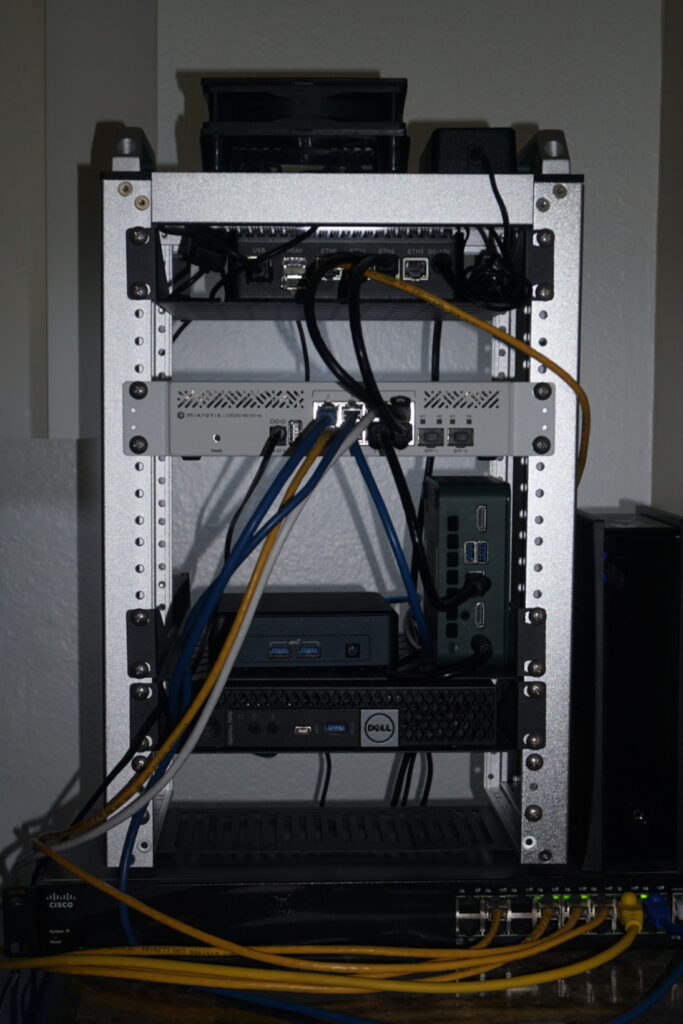
The homelab is not really photogenic, but you get the picture.
Hardware
Here is a quick list of the hardware pictured in the above photo.
- DeskPi RackMate T1 10-inch rack
- Generic mini PC running pfSense
- Mikrotik CRS310-8G+2S+IN switch (new)
- 11th Generation Intel NUC (new)
- GMKtec NucBox G3 Plus (new)
- Dell OptiPlex 7050 Micro
- Cisco SG300-20 switch
Not pictured
- Generic TrueNAS Core NAS
- Eaton UPS
- APC UPS
- Netgear GS108PEv3
- Mikrotik wAP ax access point (new)
- 4 VMs running somewhere in the cloud (down from 6 VMs)
10-inch rack
At the beginning of the year, the equipment was sitting on wire shelves inside of a closet. Now, most of the equipment is racked up inside a DeskPi RackMate T1 10-inch rack. As seen in the photo above, the 19-inch Cisco SG300-20 switch does not fit inside, so we stack the rack on top of it until I pick up a switch that fits inside of the rack.
Mikrotik switch and access point
Two more notable changes with the hardware is the addition of Mikrotik hardware.
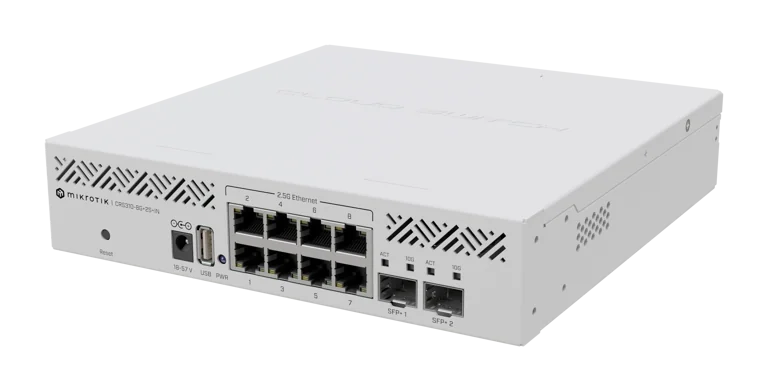
Previously the Cisco SG300-20 switch was the core switch. Now the CRS310-8G+2S+IN has taken on that role while the SG300-20 provides more connectivity since the new switch only has 8 ports. With this switch, I have 2.5G connectivity on the RJ45 ports and potentially 10G connectivity via the SFP+ interfaces. The firewall/router box and two of the Proxmox nodes have 2.5G interfaces, so they get to take advantage of the bigger pipe.
Out of the box, the CRS310 has rack ears for 19-inch racks which meant that the switch was mounted by one ear for a few months until I got around to purchasing the RMK-2/10 kit to property mount it.
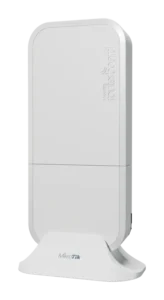
For Wi-Fi, I have replaced the UniFi access point with the wAP ax because I wanted something that had a tabletop stand and something that did not require a software controller for configuration.
Despite some pain with initial configuration and (recently) getting smart plugs connected, the switch and wAP ax have been working well.
Software/Services
Below is a list of some of the software I am running:
- acme.sh
- Ansible
- BIND 9
- Docker (in a VM and on my desktops/laptops)
- Dokku
- Dovecot (for the e-mail archive)
- Forgejo
- Healthchecks
- Home Assistant
- Icinga2
- Immich
- Jellyfin
- Nextcloud
- pfSense
- Proxmox
- Syncoid (from Sanoid)
- Syncthing
- Tailscale
- Technitium
- TrueNAS Core (BSD)
- WireGuard
DNS
Technitium has replaced Pi-hole for network-level DNS filtering because of features including:
- Secondary zones that can be updated via BIND 9’s
NOTIFYmechanism - Clustering (to be implemented)
VPN
The other change to the list of services is the replacement of OpenVPN for WireGuard and Tailscale. WireGuard is used for static hosts while Tailscale is for the hosts and devices that move around like laptops, phones, and travel routers.
2026 Plans
As mentioned in the Mikrotik section, I plan on picking up another switch to mount in the 10-inch rack and give the SG300-20 a break. Also, I want to pick up a switch for the desk, reducing the number of cables from the rack to my desk. I also want to upgrade the connectivity of my desktop to 2.5G or 10G and upgrade the connectivity of the TrueNAS box to 10G.
On the software/services side of the house, I want to implement highly-available DNS such that I can reboot any of the Proxmox nodes and not have it be a problem (Maybe I should get a shirt for when that happens again). I still need to figure out the game plan for supporting multiple networks/VLANs.
The list is short, but purchasing hardware, testing configurations takes time. Also, other projects may pop up during the year as they come up.
fin